Rakija: From Rustic Village Spirit to Refined Gold in Australia
(At Amberfire Distillery, we write from the perspective of a producer — explaining the spirits we craft, not just the categories they belong to-Amberfire Distillery, Wallan — Educational Blog .)
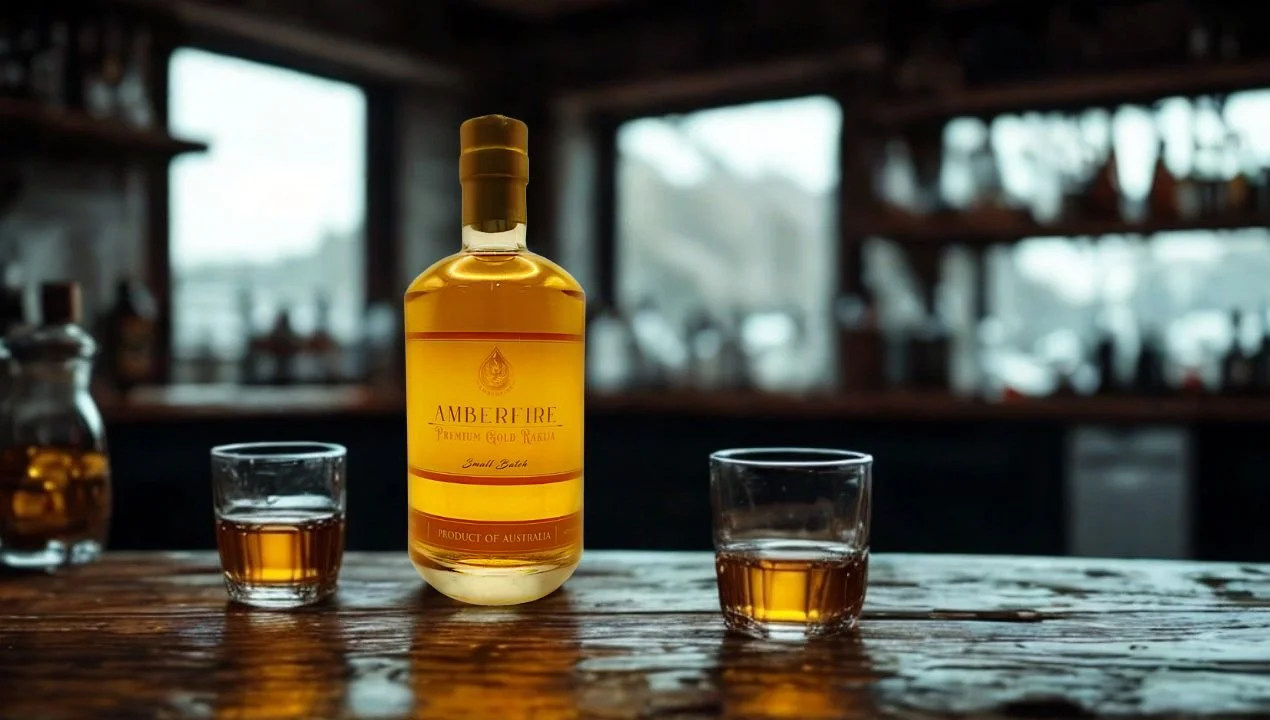
Amberfire Premium Gold Rakija — a refined expression of the traditional Balkan fruit spirit, crafted in small batches in Wallan, Victoria.
A Spirit That Tastes Like Home
For people from Macedonia, Serbia, Croatia, Bulgaria, and the wider Balkans, rakija isn’t just a drink. It’s the first thing you’re offered when you arrive, the last toast at a wedding, and the quiet companion at family tables in winter.
Traditionally poured from unlabelled bottles in village kitchens, rakija has a reputation: fiery, rustic, sharp, and not always clean.
At Amberfire Distillery in Wallan, Victoria, we love that heritage — but we also believe rakija can be elegant, balanced, and modern.
This guide explores what rakija really is, how it’s made, what to eat with it, how it differs from grappa, and how Amberfire’s Premium Gold Rakija reimagines the style for Australian drinkers.
What Exactly Is Rakija?
Rakija (ракија / rakia / rakiya) is an umbrella term for fruit spirits from the Balkans. It’s usually bottled around 40% ABV, though homemade batches can be much stronger.
Depending on the region and family tradition, rakija can be made from:
Fruit wine (fermented grape, plum, apricot, pear, quince, fig, etc.)
Fruit pomace – the skins, pulp, and seeds left after pressing wine, especially for grape-based styles such as komovica/lozova.
In simple terms:
Rakija = distilled fruit (wine or pomace), made the Balkan way.
It is the local equivalent of what cognac is to France or tequila to Mexico.
While rakija is often described as a strong spirit, its alcohol content is usually similar to other distilled spirits. We explain typical rakija strength, traditional high-proof styles, and why balance matters in our guide to rakija alcohol percentage (ABV).
How Traditional Rakija Is Made (and Why It Tastes So Rustic)
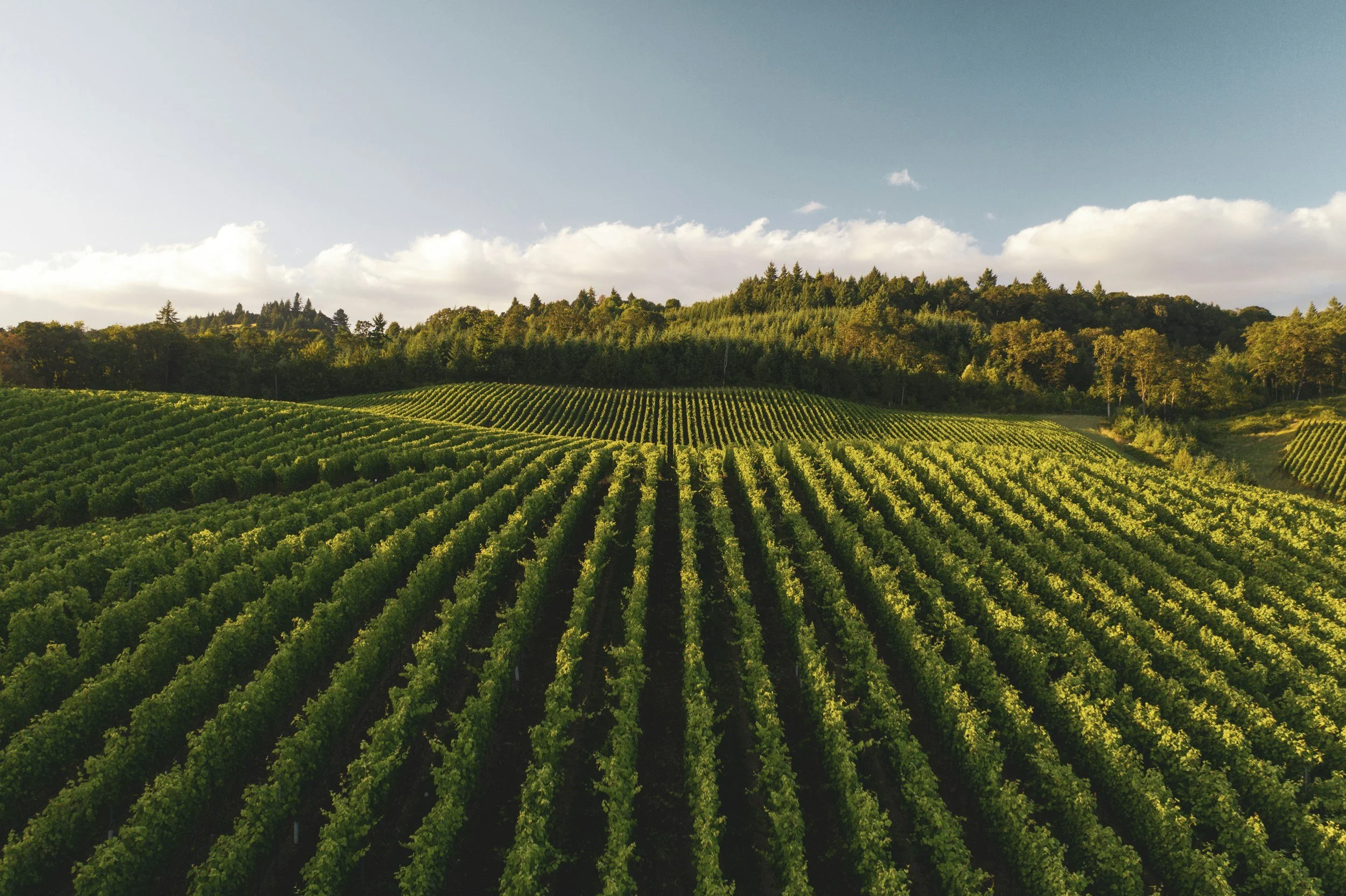
Rakija begins with quality fruit — traditionally grapes across the Balkans.
In much of the Balkans, rakija is still distilled in small copper stills behind the house or in the village yard. The typical flow is:
Fruit harvest – fresh grapes, plums, or mixed fruit.
Fermentation – as wine or as a coarse fruit mash.
Distillation – often only once, in simple stills, with minimal separation of heads and tails.
Resting – briefly in glass, stainless, or plastic; sometimes longer in oak.
Because the equipment is basic and cuts are not always precise, homemade rakija often keeps:
harsh fusel alcohols
heavy congeners
strong, “rough” aromatics
This is part of its charm, but also why many people outside the Balkans remember rakija as hot, rustic, and a bit wild.
Amberfire takes the opposite approach: clean fruit base, careful distillation, and controlled maturation, resulting in a spirit that’s recognisably rakija but far more refined.
Aging: Unaged Village Spirit vs Oak-Grown Gold

French oak brings smoothness and golden colour to Amberfire Gold Rakija
In many Balkan homes, rakija is not aged at all – it’s clear, young, and ready to drink shortly after distillation.
However, some producers age rakija, especially grape-based versions, in local oak casks (including Macedonian oak) for 3 months–3 years or more. This gives:
golden colour
softer texture
vanilla, honey, and toasted-wood notes
This oak-aged style is often called “gold rakija” (stara zolta.)
Amberfire follows this path but with a modern twist:
we use select Australian grapes and French oak combined with advanced ageing technology to create a rakija that has:
the warmth of Balkan tradition
the polish of a fine cognac or brandy
Amberfire Premium Gold Rakija – Style & Tasting Notes
Amberfire Gold Rakija begins where village rakija starts -grapes - but every step is tuned for clarity and elegance.
Front (Aroma & First Sip)
Fresh grape skin, musty grape pulp, and soft sultana sweetness, lifted by gentle floral and honeyed notes.
Middle (Palate)
Fruity and delicate: apricot, golden raisins, and orchard blossoms glide across the palate. French oak brings smooth vanilla, a hint of spice, and a silky mouthfeel more reminiscent of fine brandy than rustic moonshine.
End (Finish)
Medium, warm, and lingering. A rounded brandy-like note, dried fruit, soft caramel, and polished oak echo long after the sip.
In short:
Traditional rakija soul, but clean, smooth, and sophisticated.
What to Eat with Rakija – True Balkan Pairings
In the Balkans, rakija is rarely drunk alone. It comes with salata and meze – small plates that wake up the palate and keep conversation going.
Classic pairings include:
Zelka salata – finely shredded fresh cabbage with vinegar and salt.
Shopska salad – tomatoes, cucumber, peppers, onion, and white cheese (similar to feta).
Turšija – fermented or pickled vegetables; mixed jars of cauliflower, peppers, carrots, and green tomatoes.
Ajvar with white cheese – roasted red-pepper spread with brined cheese.
Meze plates – white cheese, salami, bacon, smoked meats, olives, dips, and crusty bread.
These foods cut through rakija’s strength, highlight its fruit character, and turn a simple drink into a full sensory ritual.
Amberfire Gold Rakija works beautifully with all of these, and also with:
charcuterie boards
soft cheeses
grilled seafood
rich pâtés and terrines
Rakija vs Grappa – Same Roots, Different Personality
Rakija and grappa are cousins, but not twins.
Shared ground:
both are European fruit spirits
both can be made from grape pomace (skins, seeds, stems)
both are historically rustic and strong
Key differences:
Base:
Rakija can be made from fruit wine or pomace, and not just grapes — plums, apricots, pears, quinces, figs, and more.
Grappa is almost always from grape pomace only.
Flavouring:
Rakija is often pure fruit, but in some regions herbs, honey, or botanicals are added (travarica, medovača, etc.).
Grappa also has herb-infused versions, but Italian producers often emphasise the grape variety and terroir rather than heavy botanicals.
Profile:
Traditional rakija: bold, fruity, sometimes sharp.
Amberfire-style rakija: smooth, oaked, brandy-like, but still clearly fruit-driven.
How to Drink Rakija (Without Offending the Grandparents)
There’s a ritual to it, and it’s worth learning:
Small glass, big aroma – Use a small tulip or narrow glass; you don’t need a big pour.
Room temperature or slightly chilled – traditionalists prefer room temperature; some like it lightly chilled with salads.
Slow sips, not shots – despite its strength, good rakija is meant to be tasted, not destroyed in one go.
Always with food – a bit of salad or meze between sips keeps the balance.
Toast properly – look your company in the eyes, touch glasses, and say “Наздравје / Živeli / Živeli na mnogu godini”.
Amberfire Gold Rakija is equally at home:
as a traditional pre-meal drink
as an after-dinner digestif
or as the base for modern cocktails (Old Fashioned twists, sours, spritzes, and long drinks).
FAQs: Rakija, Tradition & Amberfire
1. Is rakija always homemade?
Historically, yes — many families still distil their own rakija once a year, especially in rural areas. Today, licensed distilleries in the Balkans and abroad (like Amberfire in Australia) produce rakija with far greater control over distillation, and maturation, resulting in a cleaner, more consistent spirit.
2. Why is traditional rakija often so sharp compared to Amberfire?
Village rakija is usually distilled in simple equipment, often only once, with minimal separation of heads and tails. That leaves more harsh alcohols and off-notes. Amberfire uses carefully controlled copper plates distillation and refined accelerated ageing with French oak, polishing the spirit into something closer to fine brandy while keeping the fruit soul intact.
3. What foods really belong next to a glass of rakija?
The classic Balkan answer: salata and meze. Think fresh cabbage salad, shopska salad, turšija, ajvar with white cheese, cured meats, bacon, olives, and dips. These salty, acidic, and savoury bites balance rakija’s strength and highlight its fruit character.
4. Can rakija be aged, and what kind of oak is used?
Yes. While most homemade rakija is unaged and clear, many premium producers age rakija in local oak (including Macedonian oak) or international oak such as French or American, typically for 1–3 years. Oak adds colour, smoothness, and notes of vanilla, honey, and toasted wood – the style often labelled “gold rakija.”
5. Does the choice of grapes really matter?
Absolutely. Just as with wine and grappa, the grape variety, ripeness, and quality influence the final spirit. Clean, ripe fruit produces a more elegant, aromatic rakija; poor or mixed-quality fruit tends to yield a harsher, muddier distillate. Amberfire uses carefully selected Australian grapes to deliver a clear, expressive flavour profile.
Closing: Rustic Roots, Refined Future
Rakija began as a humble way to use every last drop of the vineyard — fruit, wine, and pomace distilled into liquid warmth. Over centuries it became the symbolic drink of the Balkans, a liquid handshake and a family heirloom.
With Amberfire Premium Gold Rakija, that story continues in Australia:
same soul
cleaner expression
richer depth
and a new home at the table, next to both zelka salata and modern charcuterie boards.
If you grew up with rakija, it will taste like tradition polished.
If you’re discovering it for the first time, it may just become your new favourite way to toast life
Ready to experience a refined, modern take on a beloved Balkan tradition? Explore Amberfire Premium Gold Rakija and taste the spirit of heritage reimagined.