Why Do Different Batches of Whisky Taste Different? (Explained Simply)
(At Amberfire Distillery, we write from the perspective of a producer — explaining the spirits we craft, not just the categories they belong to-Amberfire Distillery, Wallan — Educational Blog .)
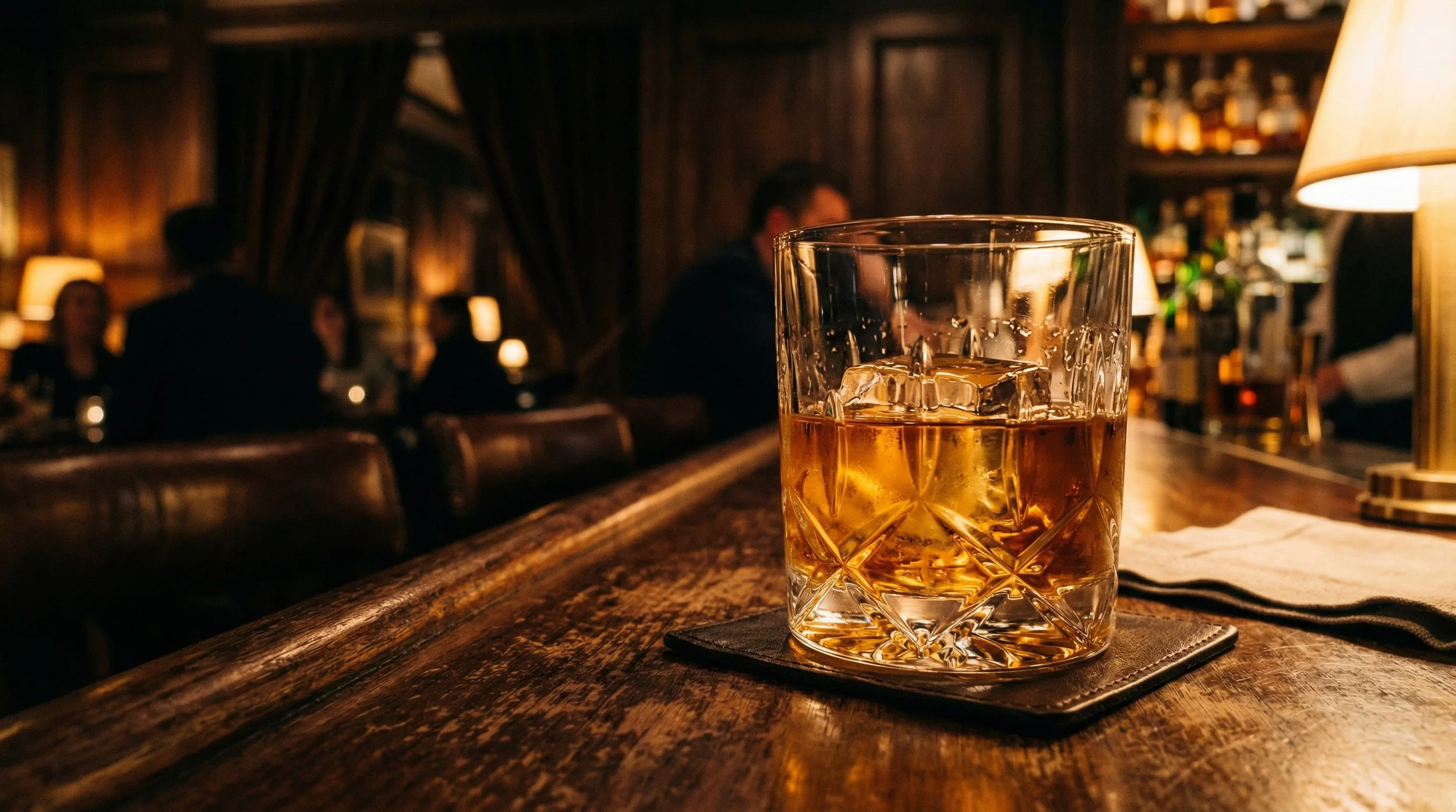
A glass of whisky on a bar table, highlighting the warm colour and inviting character of the spirit.
Have you ever opened a new bottle of your favourite whisky and thought:
“This tastes slightly different from the last one…”
You’re not imagining it.
Even when the label is the same, whisky can vary from batch to batch. While this is often accepted as part of the tradition, there are clear reasons behind it and they’re worth understanding.
The Short Answer
Whisky can taste different between batches because it is aged in individual barrels, and no two barrels develop flavour in exactly the same way.
Even small differences in wood, time, and environment can change the final result.
Every Barrel Is Different
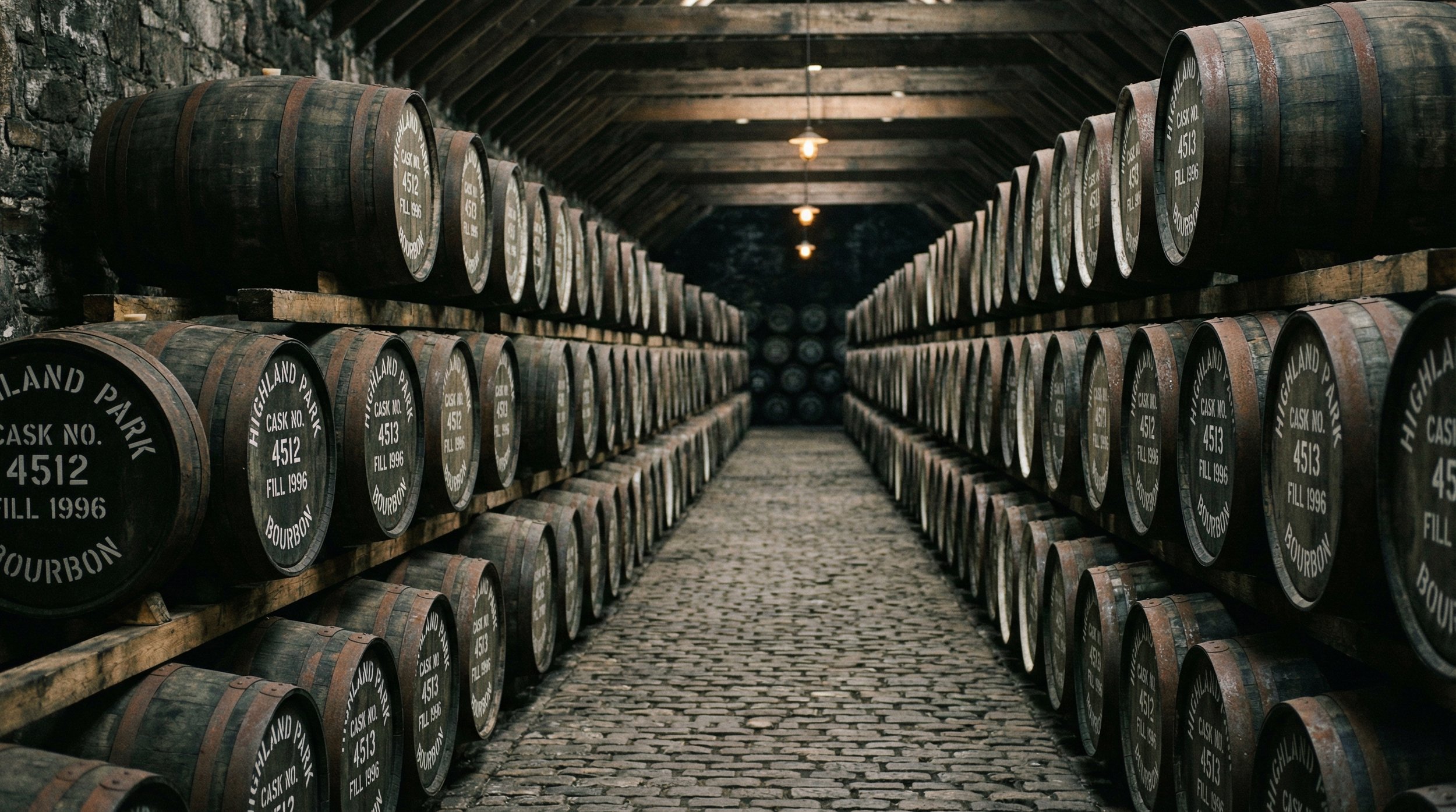
Rows of oak barrels in a whisky warehouse, illustrating how spirits age and develop flavour over time.
Whisky is matured in wooden barrels, and those barrels are never identical.
Even if they are made from the same type of oak, they can vary in:
Grain structure of the wood
Previous use (bourbon, sherry, wine, etc.)
Level of toasting or charring
As the spirit ages, it interacts with the wood, extracting flavours like vanilla, spice, and caramel.
Because each barrel is slightly different, the flavour it produces will also be different.
For example, one barrel may produce a slightly sweeter profile, while another may develop more oaky or spicy notes, even if they started from the same batch of spirit.
Time and Environment Play a Big Role
Whisky matures over years sometimes decades and during that time it is influenced by its surroundings.
Factors like:
Temperature changes
Humidity
Airflow inside warehouses
All affect how the spirit interacts with wood and oxygen.
Even barrels stored in different parts of the same warehouse can develop noticeably different flavours.
The Role of the Master Blender
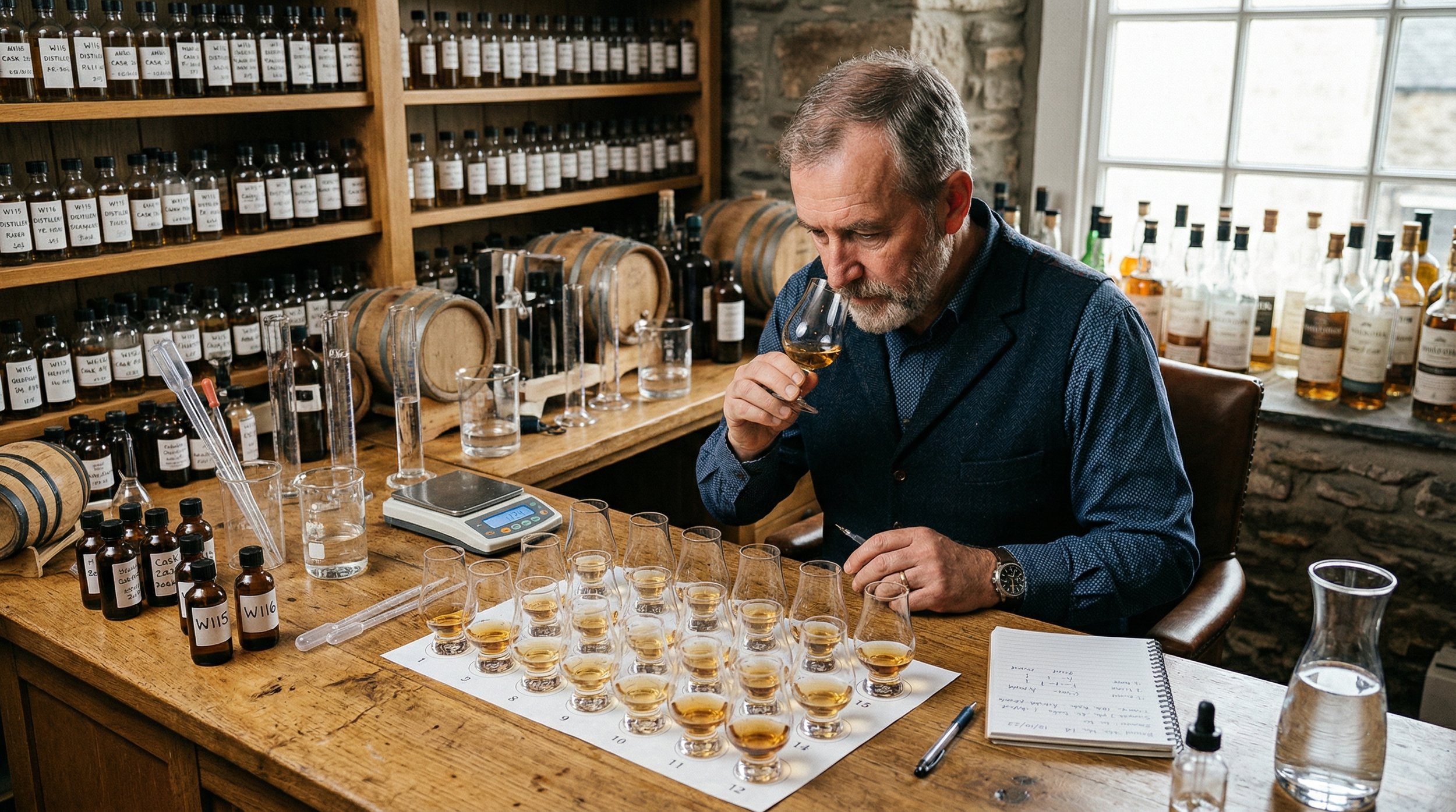
A master blender evaluating multiple whisky samples in a distillery lab, comparing aroma and flavour across different batches.
This is where experience becomes critical.
To maintain consistency, distilleries rely on master blenders. Their role is to combine whisky from multiple barrels to create a final product that matches a desired flavour profile.
They carefully:
Select barrels with similar characteristics
Balance flavours and aromas
Maintain a consistent house style
Blending is both a science and an art. In many cases, master blenders work with dozens, sometimes even more barrels, adjusting proportions to recreate the same taste profile every time a new batch is released.
In addition, some techniques are used to keep the final product uniform, such as:
Controlling distillation and raw materials
Using spirit caramel to standardise colour
Applying chill filtration to prevent haze
In simple terms, consistency in whisky doesn’t happen naturally, but it is carefully managed.
Single Barrel vs Blended Whisky
This variation becomes even more noticeable in single barrel whiskies, where each bottle comes from one individual cask. These can taste quite different from batch to batch, depending on how that specific barrel aged.
Blended whiskies, on the other hand, are designed to reduce variation by combining spirit from multiple barrels to achieve a more consistent flavour.
Is Variation a Good Thing?
For many whisky enthusiasts, variation is part of the appeal.
Each batch can feel unique, offering slightly different flavours and experiences.
But for everyday drinkers, this can also be frustrating:
One bottle tastes great
The next is slightly different
The experience isn’t always predictable
What Most Drinkers Actually Want
Most people aren’t analysing every subtle difference.
They simply want:
A smooth drink
A balanced flavour
A consistent experience every time they open a bottle
Consistency gives confidence. When people find a flavour they enjoy, they expect to experience the same taste again whether they’re drinking it neat, or mixing it in a cocktail.
This is where consistency becomes important.
A Different Approach
Traditional whisky relies on barrels, time, and blending to achieve consistency.
Modern approaches to spirit maturation take a more controlled path. Instead of relying entirely on variation, they focus on guiding how flavour develops from the beginning.
This allows distillers to:
Reduce variation between batches
Maintain a predictable flavour profile
Deliver a consistent experience in every bottle
Final Thought
Whisky’s variation is part of its history and tradition and for many, that’s part of its charm.
But it also highlights something important:
consistency in whisky is not guaranteed, it is carefully created.
As the industry evolves, drinkers now have more choice than ever, whether they prefer the uniqueness of traditional whisky or the reliability of a more controlled approach.
Discover the Difference
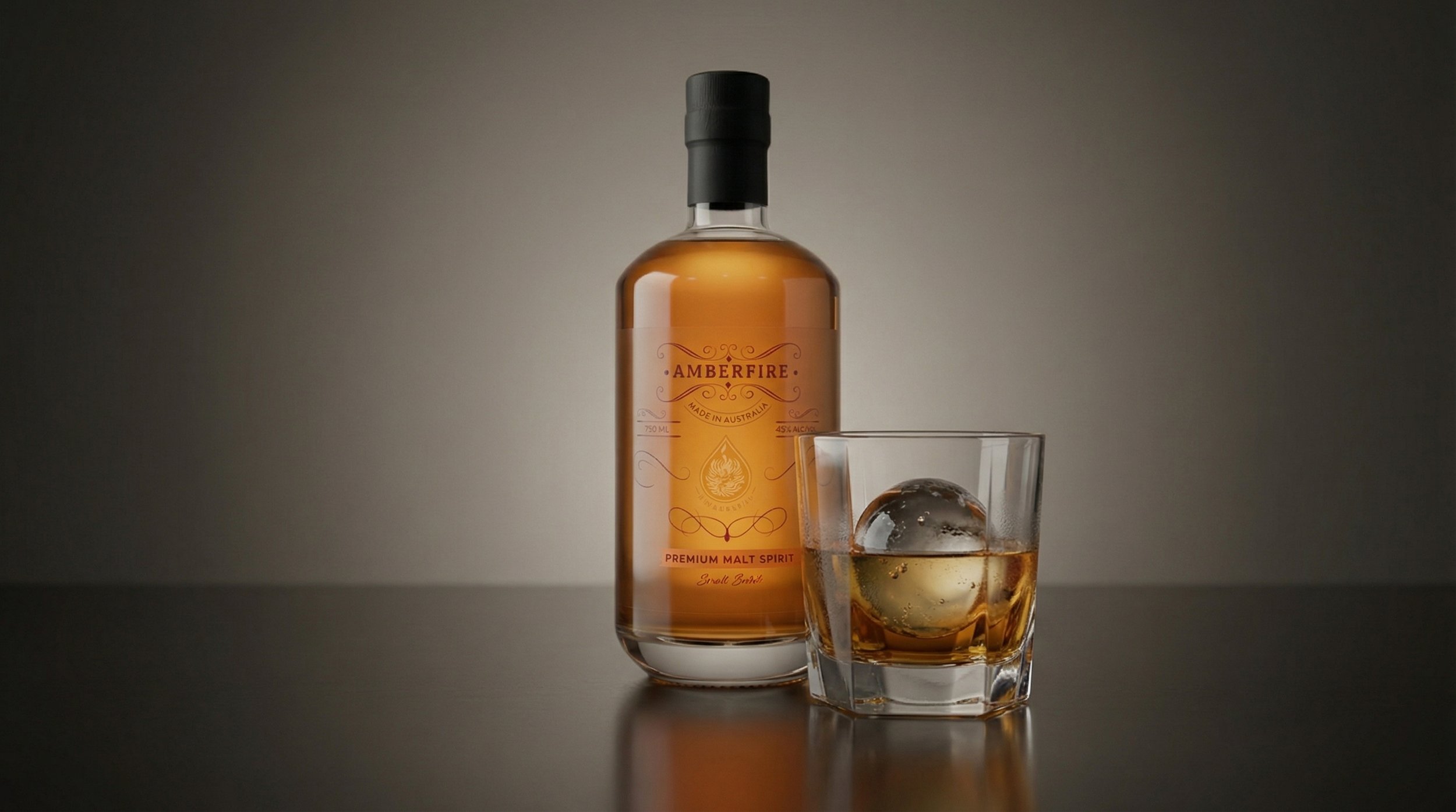
Amberfire Premium Malt Spirit bottle with a whisky glass and large ice sphere, showcasing its rich amber colour and smooth appearance.
Amberfire Premium Malt Spirit is crafted for balance, smoothness, and consistency, every batch, every bottle.